Explore King Mattress Paramus for Luxury and Rest
Finding the Ideal Mattress: Your Guide to a Better Night's Sleep
Picking the ideal mattress is a essential step toward enhancing sleep quality. Various factors influence this decision, including sleep position, mattress type, and firmness level. Knowing individual needs can lead to enhanced comfort and support. Yet, many overlook critical features like durability and cooling properties. As shoppers weigh their options, they may find themselves questioning the best path forward. What factors should be evaluated next to ensure a restful night?
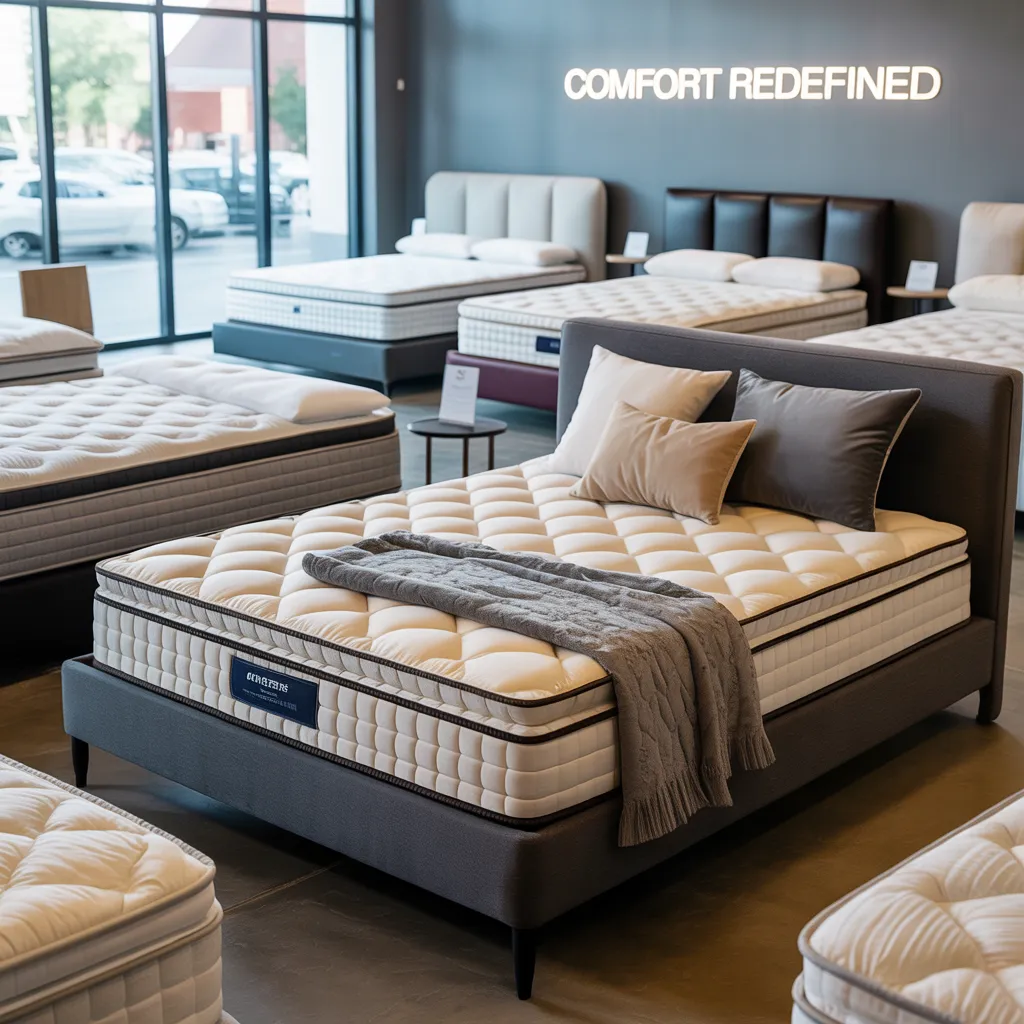
Identify Your Sleep Position and Preferences First
When picking out a mattress, being aware of your sleep position and preferences is key to proper comfort and support. Back, side, and stomach positions each demand different levels of support to keep the spine تعلّم عن هذا properly aligned. To illustrate, back sleepers benefit from a medium-firm mattress that supports the lower back while allowing some contouring. Those who sleep on their side typically require a softer mattress to cushion both the shoulders and hips, minimizing pressure points. On the other hand, stomach sleepers typically require a firmer mattress to prevent excessive sinking, which can lead to misalignment.
Furthermore, individual considerations, such as mattress firmness, thermal comfort, and material composition, play a significant role in total sleep satisfaction. Identifying these factors at the beginning of the mattress selection process can contribute to superior sleep quality and overall comfort. By thoroughly examining specific sleep positions and individual preferences, buyers can reach educated conclusions that elevate their complete sleep experience.
The Benefits of Different Mattress Types: Foam, Innerspring, and Hybrid
Recognizing the benefits of multiple mattress varieties—foam, innerspring, and hybrid—can heavily shape a purchaser's choice. Foam mattresses, especially memory foam options, provide excellent contouring and pressure relief, making them ideal for those with joint pain or who enjoy a softer sleeping experience. They also minimize motion transfer, making them a great choice for couples sleeping together.
Traditional innerspring mattresses, on the other hand, provide a classic sensation with supportive responsiveness and good airflow, which can prevent sleepers from overheating. These mattresses are generally budget-friendly and are available in a variety of comfort levels, catering to a broad range of sleeper preferences.
Hybrid mattresses blend components of foam and innerspring technologies, delivering the best of both worlds. They often feature a foam layer on top for comfort, supported by coils for stability, making them suitable for various sleep styles. Each design provides its own set of strengths, enabling shoppers to choose according to their individual requirements and tastes.
How Firm Should Your Mattress Be for Your Sleep Style?
Selecting the correct mattress firmness is crucial for improving sleep quality, as it varies markedly between different sleep styles. Those who sleep on their back generally need a more supportive surface to maintain proper spinal alignment, while people who prefer sleeping on their side frequently find relief with a more cushioned mattress that alleviates pressure on the shoulders and hips. Understanding these needs can help individuals find a mattress that boosts their overall comfort and rest quality.
Back Sleepers' Firmness Needs
How important is the proper mattress firmness for back sleepers? The optimal firmness level generally falls between medium to medium-firm. This spectrum provides vital support for the natural curve of the spine, maintaining proper alignment throughout the night. A mattress that is too soft may cause the lower back to sink, resulting in discomfort and possible discomfort. On the other hand, a mattress that is excessively firm can generate pressure points, especially in the shoulders and hips. Back sleepers benefit from a surface that integrates comfort and support, letting them sink just enough to reduce tension while preserving spinal alignment. In the end, picking a mattress within this firmness range can considerably boost sleep quality and overall health for back sleepers.
Comfort Level for Side Sleepers
What firmness level works best for side sleepers? Generally, medium to medium-soft mattresses are recommended for those who sleep on their sides. This degree of firmness delivers proper support while conforming to the body's natural shape, most notably at the shoulders and hips. A mattress that is too firm may cause pressure points, leading to discomfort and poor sleep quality. On the other hand, a mattress that is too soft can lead to inadequate spinal alignment. Top choices frequently include materials such as memory foam or latex, which conform to the body's shape and encourage proper alignment. At the end of the day, side sleepers should factor in their weight and personal needs to find a mattress that maximizes comfort and support during the night.
Key Features for Mattress Support, Durability, and Cooling
When picking out a mattress, being aware of support types is important for maintaining proper body alignment and comfort while sleeping. Moreover, cooling technologies play a significant role in maintaining a comfortable sleep temperature throughout the night. These features contribute not only to durability but also to an overall enhanced sleeping experience.

Mattress Support Types
Selecting the correct mattress support type greatly influences your overall comfort and sleep quality. There are several support systems available, including innerspring, memory foam, and hybrid designs. Innerspring mattresses rely on coils to offer bounce and structural support, making them a favored selection for sleepers who desire a conventional feel. Memory foam delivers personalized contouring support, conforming to your body shape while alleviating pressure points, which is well-suited for individuals who favor sleeping on their side. Hybrid mattresses combine elements of both, delivering a well-rounded balance of support and comfort. Durability varies among these types; innerspring options tend to show wear more quickly, while memory foam may endure longer with adequate care. At the end of the day, the choice of mattress support type should match your personal sleep preferences and physical needs for the best possible sleep experience.
Cooling Technologies Demystified
As sleep quality can be greatly affected by temperature regulation, being familiar with cooling technologies is vital when picking a mattress. Such technologies are developed to disperse heat and preserve a comfortable resting environment. Popular features consist of gel-infused memory foam, which captures heat while delivering support, as well as breathable materials including latex and open-cell foams that promote airflow. Additionally, some mattresses incorporate phase-change materials that actively regulate temperature by absorbing or releasing heat as needed. Adjustable airbeds frequently enable users to tailor firmness and cooling settings for individualized comfort. In the end, choosing a mattress with efficient cooling technologies can significantly boost sleep quality, guaranteeing a peaceful night and better overall well-being.
Planning Your Mattress Budget Carefully
Setting a budget for a mattress purchase is an important component in the acquisition process. A clearly established budget enables buyers narrow down available alternatives, ensuring they identify a sleeping surface that addresses both their comfort needs and budgetary limitations. Commonly, sleeping surfaces are priced between a few hundred to multiple thousand dollars. Factors influencing the price include materials, the reputation of the brand, and extra features like temperature regulation technologies or flexible base options.
Individuals should assess their own sleep needs and longevity expectations when defining their spending limit. It is essential to remember that investing in a top-quality mattress can lead to improved sleep and wellness advantages over time. Additionally, many retailers offer installment options, allowing for more financial flexibility. When all is said and done, a thoughtful budget helps buyers arrive at knowledgeable decisions, striking a balance between quality and cost to enjoy a comfortable night's sleep.
Advice for Trying Out Mattresses in a Store
How can shoppers guarantee they find the perfect mattress in-store? First, they should allocate ample time to test various options without feeling rushed. Wearing comfortable attire is recommended to enable a genuine and accurate testing process. Buyers should recline in their usual sleep positions for a minimum of 10-15 minutes per mattress to properly evaluate support and comfort. Paying attention to pressure points, particularly in the shoulders and hips, is essential. Furthermore, shifting positions and adjusting body placement can help assess the mattress's responsiveness. Shoppers should also consider the mattress firmness, ensuring it aligns with their personal preferences. Lastly, consulting with experienced sales associates can offer helpful guidance and address any lingering questions. Adhering to these recommendations allows buyers to reach a better-informed choice, guaranteeing they find a mattress that truly satisfies their sleeping requirements.
The Value of Mattress Trials and Warranties for Complete Peace of Mind
When buying a mattress, grasping the value of trials and warranties proves critical for guaranteeing lasting satisfaction. Mattress trials give consumers the ability to test the product within their own home, permitting a more thorough analysis of comfort and support. Usually extending from 30 to 100 nights, these trials enable individuals to determine if the mattress fulfills their sleep demands without the pressure of an immediate commitment.
Warranties, by comparison, offer protection against imperfections and untimely degradation. A robust guarantee can instill confidence in the reliability and longevity of the sleep surface, safeguarding the investment over time. Consumers should carefully review the terms, as provisions can change considerably among brands. In tandem, bedding test periods and guarantees enhance assurance, allowing buyers to make informed choices while minimizing the risks connected to their buying decision. In the end, these features are fundamental to achieving a peaceful and rejuvenating night's rest.
Common Questions and Answers
How Often Should I Replace My Mattress?
It is typically recommended to replace mattresses every 7 to 10 years. Elements such as wear, discomfort, and shifts in sleep quality can also affect this timeframe, signaling when a new mattress could be required for the best possible rest.
Does a Mattress Have an Effect on My Allergies?
A sleeping mattress can greatly affect allergies by trapping dust mites, mold spores, and other irritants. Regular cleaning and choosing hypoallergenic materials can significantly decrease these allergy-causing factors, ultimately promoting sleep quality and overall health for sensitive individuals.
What Are the Indicators of a High-Quality Mattress?
Characteristics of a superior mattress encompass resilience, appropriate support, comfort, and hypoallergenic materials. A warranty of more than ten years and reduced motion transfer additionally signal a well-constructed product suitable for restful sleep.
Do Mattress Protectors Really Make a Difference?
Mattress protectors considerably boost the lifespan and cleanliness of your mattress by guarding against allergens, spills, and dust mites. They also maintain the mattress's warranty, promoting a cleaner sleep environment and enhancing long-term comfort and quality.
What Is the Best Way to Clean and Care for My Mattress?
To clean and maintain a mattress, vacuum regularly, treat stains with a gentle detergent, and give it time to air out properly. Rotate the mattress every three months to guarantee even wear and enhance longevity.